
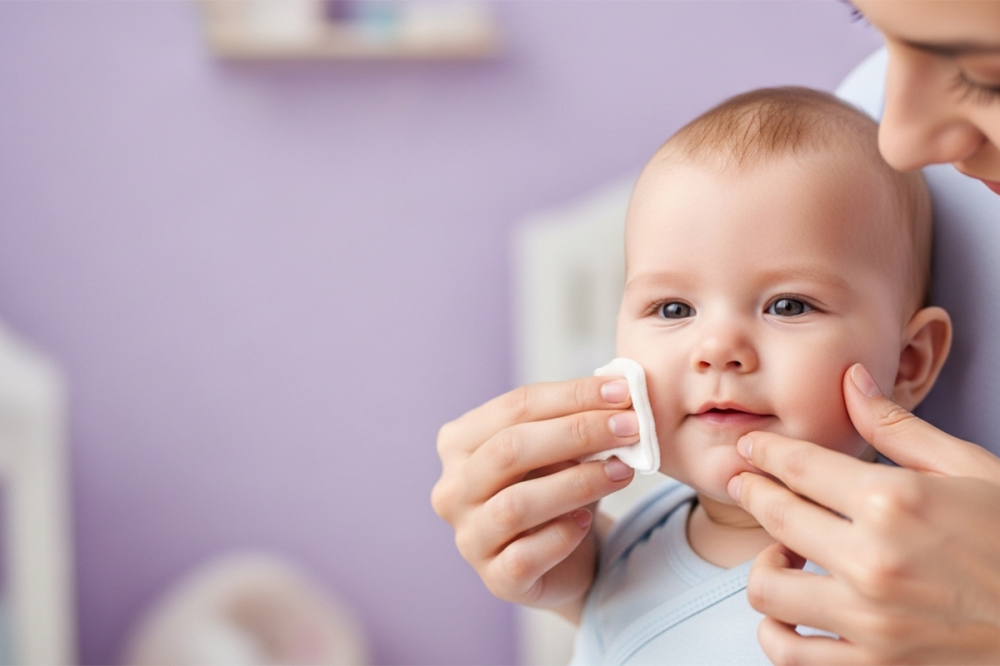
After every bath, the most important moment in Skin Protection Methods for caring for your child begins… the moment of drying them and wrapping their sensitive skin with a towel and soft clothes that protect them from irritation and dryness. However, many mothers don’t realize that small traces of water or choosing the wrong fabric can cause discomfort to the child’s skin or redness without a clear reason. Therefore, paying attention to these small details makes a big difference in your little one’s comfort and skin health from day one.
Because children’s skin is much thinner and softer than adult skin, it requires a gentle routine based on simple but effective steps to maintain its moisture and softness. Using an appropriate towel and post-bath clothes is not just a traditional routine, but a cornerstone of Skin Protection Methods for sensitive skin. In this article, we will provide practical and tested tips to ensure the best post-bath skincare routine for your child.
The importance of drying your child’s skin properly:
Choosing the right drying method is not just a routine step; it is fundamental to daily skincare for your child to prevent inflammation, redness, and dryness. Here, the importance of Skin Protection Methods that rely on simple but effective steps becomes clear.
Why is proper drying important for children’s skin?
After every bath, the most crucial moment in your child’s skincare routine begins, because the correct drying method is the first step. Children’s skin is delicate compared to adult skin, making it prone to:
- Irritation due to excess moisture.
- Fungal infections in closed areas.
- Dryness from using a rough towel or harsh rubbing.
- Sensitivity to unsuitable fabrics.
Caring for this step gives your child a comfortable and safe bath experience and establishes a healthy daily routine based on Skin Protection Methods naturally.
Specifications for the right towel for your child:
Choosing the right towel for your child is not just a simple post-bath step; it is essential for their skin comfort and protection from dryness and irritation. The softer and more suitable the towel, the calmer and easier the bathing experience for both you and your child. When selecting a towel for your child, make sure to:
Soft and skin-friendly fabrics
Choose a towel made from 100% soft cotton or ultra-soft microfiber fabrics.
Avoid rough textiles that may cause redness or scratches on the baby’s skin.
Proper size and ease of use
It is preferable to select a relatively large towel to cover the child’s body completely and make drying faster.
A towel with a hood is a great option to keep the child warm.
Antibacterial towels
If your child has very sensitive skin, you can choose towels treated with antibacterial agents to help prevent infections or rashes.
Steps to dry your child using the towel correctly:
One of the Skin Protection Methods is drying your child’s skin after a bath to protect it from irritation and maintain the softness of their sensitive skin.
Follow this daily routine to ensure better results:
- Place the towel on the skin directly without rubbing.
- Gently press each area to absorb the water.
- Focus on fold areas such as the neck, underarms, behind the ears, and between fingers.
- Use a separate towel for the face to protect sensitive skin.
- Avoid rubbing the skin even if it is very wet, as rubbing may cause redness.
These steps are among the most important Skin Protection Methods for your child’s skin because they prevent irritation and reduce moisture that could cause infections.
Best Skin Protection Methods for children after a bath:
To ensure the best routine for your child’s sensitive skin after a bath, follow these practical tips suitable for all mothers:
Maintain skin moisture immediately after drying
After gently drying the skin, it is recommended to moisturize immediately within the first three minutes, known as the “3-minute rule”:
- Use a gentle moisturizer designed for children.
- Choose a fragrance-free cream.
- Focus on dry areas such as feet, legs, and arms.
Avoid products with strong fragrances
Many children’s products contain perfumes that may cause sensitivity in children with delicate skin. Therefore:
- Choose fragrance-free products.
- Avoid using heavy oils on the skin.
- Use medicated products only when necessary.
Proper ventilation after dressing
After bathing and dressing:
- Ensure the room is not too cold.
- Avoid covering the child with excessive layers.
- Allow ventilation around the neck and underarms.
These steps complete the series of daily Skin Protection Methods that keep your child’s skin soft and healthy.
Daily tips to help protect your child’s skin:
To make the routine easier and faster, here’s a list of the best daily habits:
- Use two towels: one for the body and one for the face.
- Wash your child’s towels with gentle, fragrance-free detergents.
- Change towels regularly to avoid bacteria.
- Choose clothes with soft buttons or without sharp edges.
- Monitor your child’s skin daily, especially fold areas.
- Allow the skin to “breathe” during long periods of wearing clothes.
Additional tips for very sensitive skin
If your child has extremely sensitive skin:
- Choose towels made from organic cotton.
- Avoid synthetic clothing such as polyester.
- Use medicated moisturizers designed for eczema.
- Reduce bath time to 5–7 minutes only.
All these steps are part of the proven Skin Protection Methods for children with sensitive skin.
Common mistakes when drying or dressing your child after a bath
Avoid the following mistakes, as they may cause skin problems unintentionally:
Most common mistakes mothers make:
- Using a rough or old towel.
- Leaving the skin damp after the bath.
- Rubbing the skin vigorously, especially in fold areas.
- Dressing the child in tight clothes immediately after the bath.
- Using harsh detergents that cause sensitivity.
- Applying too much perfume on the child’s body.
How to avoid these mistakes:
- Choosing an appropriate product is part of the basic Skin Protection Methods.
- Maintain towel cleanliness and replace it regularly.
- Check clothes before wearing to ensure no threads or edges.
- Moisturize the skin immediately after drying.
Conclusion
Children’s skin is naturally sensitive and requires careful care after every bath. Choosing a soft towel, gentle drying, using suitable moisturizers, and comfortable cotton clothing are all essential steps to keep your child’s skin soft, healthy, and free from irritation. Following Skin Protection Methods will give your child greater comfort and protect their skin.
Frequently Asked Questions
Can I use a regular adult towel to dry my child?
It is preferable to use a towel designed for children because it is softer, lighter, and gentler on sensitive skin, and its size fits a small child’s body.
How often should I change my child’s towel?
It is recommended to change your child’s towel after every use, especially for infants, to ensure cleanliness and prevent bacteria buildup.
Does rubbing with a towel cause skin irritation in children?
Yes, rubbing may cause irritation and redness, especially for children with sensitive skin. It is always better to pat gently.
What is the best type of clothing for a child after a bath?
100% cotton clothing is the best choice as it allows the skin to breathe and prevents friction or overheating.
Should I apply moisturizer after every bath?
Yes, because a child’s body loses moisture quickly after bathing. Applying moisturizer within 3 minutes of drying helps protect the skin and maintain its softness.
You can contact us directly via WhatsApp.
You can also visit our website, to browse and purchase the organic products we provide to protect and maintain your child's health.
Feel free to explore products such as:
NaturaVerde – Organic Baby & Kids Shampoo – 250 ml
NaturaVerde – Organic Baby Body & Hair Wash – 400 ml