
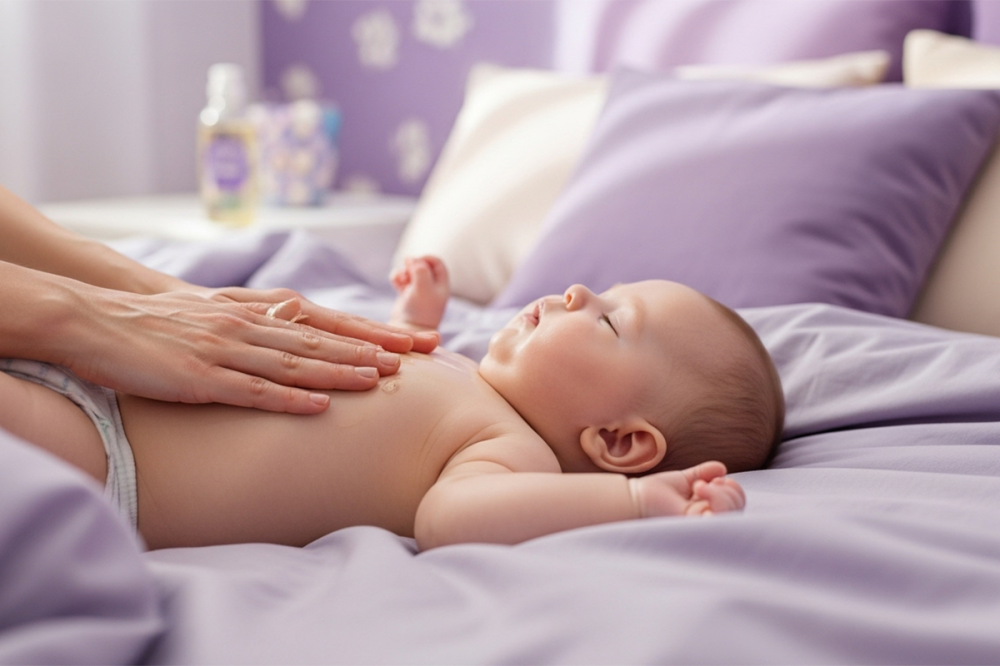
Baby Skincare is not just a cosmetic step; it is the first line of protection that preserves the skin’s softness and health. Children’s skin is thin, sensitive, and quickly affected by any product or weather change, which makes every mother pay attention to every detail in the daily routine. With the abundance of products in the market, choosing the right routine has become a major responsibility that requires awareness, understanding, and calmness.
As the child grows and the skin gradually changes, its needs begin to shift from focusing on moisture and protection to deeper needs related to oiliness, breakouts, and hormonal changes. This marks a completely new stage that differs from the Baby Skincare routine we are used to and requires smart preparation that suits the adolescent skin stage.
The important question becomes: How do we move from a simple routine suitable for a child to a more mature routine suitable for adolescence?
This article provides a clear, step-by-step explanation of the difference between the two types of care and how to transition correctly without exhausting the skin or causing irritation.
First: What are the characteristics of a child’s skin?
Baby Skincare is defined by unique features that make children’s skin more sensitive and less able to resist pollutants and external factors. Its main characteristics include:
- Very thin skin: A child’s outer skin layer is about 30% thinner than an adult’s, making it more prone to redness and irritation.
- Low oil production: Sebaceous glands are almost inactive, so breakouts are rare, but the skin is more prone to dryness.
- Weak skin barrier: The skin barrier is not fully developed, increasing the possibility of irritation from fragrances, chemicals, and sunlight.
- Higher sensitivity: Any product containing fragrance, alcohol, or strong preservatives may cause quick reactions.
Second: What are the characteristics of adolescent skin?
As age progresses, the nature and needs of the skin change. Adolescence is a major turning point where noticeable changes occur due to hormones, making understanding its characteristics essential in the context of Baby Skincare:
- Increased oil secretion: Leading to shiny skin, clogged pores, blackheads, and acne.
- Enlarged pores: Especially in the T-zone (nose, forehead, chin).
- Oily yet sensitive skin: Despite increased sebum, the skin may still become inflamed or sensitive.
- Rapid changes: Adolescent skin can vary week by week depending on diet, stress, sleep, and hormones.
Third: The difference between Baby Skincare and adolescent skincare
1. Product Type
- Child’s Skin: Very gentle – fragrance-free, no harsh ingredients (Hypoallergenic).
- Adolescent Skin: Products for acne treatment and oil control, often containing active ingredients.
2. Daily Routine
- Child’s Skin: Very simple: cleansing + moisturizing.
- Adolescent Skin: Comprehensive: cleansing + treatment + moisturizing + sunscreen.
3. Common Issues
- Child’s Skin: Dryness – irritation – rash.
- Adolescent Skin: Acne – blackheads – excess oil.
4. Sensitivity Level
- Child’s Skin: Much higher (Skin is thinner and more reactive).
- Adolescent Skin: Lower with age (Skin thickens but can be sensitive to strong treatments).
5. Main Care Goal
- Child’s Skin: Protecting the skin barrier and maintaining moisture.
- Adolescent Skin: Balancing the skin and treating hormonal issues.
Fourth: How to transition from childhood care to teenage care?
Transitioning from Baby Skincare to adolescent skincare involves noticeable changes in the skin’s needs. A gradual routine shift is essential to maintain skin health and avoid irritation or breakouts.
- Start with age-appropriate products
- At the beginning of hormonal changes, the skin needs products lighter than adult formulas yet slightly stronger than children’s products, allowing the skin to adapt without irritation.
- Teach the teenager a simple daily routine
- A simple routine is easier to commit to and helps build healthy habits—such as gentle face washing, using a personal towel, and avoiding harsh rubbing.
- Introduce acne treatments gradually
- Start with low concentrations to ensure the skin tolerates them, helping control oiliness and breakouts before they worsen.
- Moisturizing is important even for oily skin
- Oily skin still needs hydration to prevent dryness that triggers more oil production. Lightweight, oil-free moisturizers help maintain balance.
- Use sunscreen
- Sunscreen is essential to protect the skin from spots and inflammation that worsen acne. Choose a lightweight formula suitable for oily skin.
- Monitor skin reactions
- Observe any changes like redness or dryness to adjust the routine early, ensuring comfort and consistency during the transition stage.
Common mistakes to avoid
As the skin shifts from childhood to adolescence, its needs change completely. Transitioning properly from Baby Skincare becomes essential to prevent irritation and acne issues.
- Using adult products such as strong serums (retinol – concentrated acids)
- These formulas suit adult skin and may be too harsh for teenagers, causing irritation, redness, and worsening breakouts.
- Sharing cosmetics among teenagers
- This spreads bacteria and increases acne and skin inflammation.
- Washing the face with regular soap
- It causes severe dryness and disrupts oily skin balance, increasing oil production and acne.
- Over-exfoliating the skin
- Frequent exfoliation weakens the skin barrier, increases redness, and delays healing.
- Using toothpaste on pimples
- This causes strong irritation due to harsh ingredients and may leave dark marks.
- Mixing many products without guidance
- Using multiple formulas at once may cause unwanted reactions and increased irritation.
When should you visit a dermatologist?
If any of the following appear:
- Inflamed or painful acne
- Dark marks after acne
- Breakouts spreading to the chest or back
- No improvement after two months of using simple products
Conclusion
The difference between a child’s skin and an adolescent’s skin means a completely different approach to care. Baby Skincare requires protection and gentleness, while adolescent skin needs balance and support to control oiliness and breakouts. With a gradual, well-planned transition, teenagers can start a healthy routine that boosts their confidence and maintains their skin health for years.
Frequently Asked Questions
Can a child use teenage skincare products?
No, because their chemical composition is too strong for a child’s skin.
Do all teenagers need a special teenage cleanser?
Yes in most cases, but if the skin is very dry, a gentle cleanser is enough.
Do fragrances cause problems?
Yes, they are among the main causes of redness and allergies for both children and teenagers.
Can sunscreen be used for both children and teenagers?
Of course, but the right formula must be chosen for each age.
You can contact us directly via WhatsApp.
You can also visit our website, to browse and purchase the organic products we provide to protect and maintain your child's health.
Feel free to explore products such as:
NaturaVerde – Organic Baby & Kids Bubble Bath – 400 ml
NaturaVerde – Ultra-Soft Water Baby Wipes – 64 Pieces